
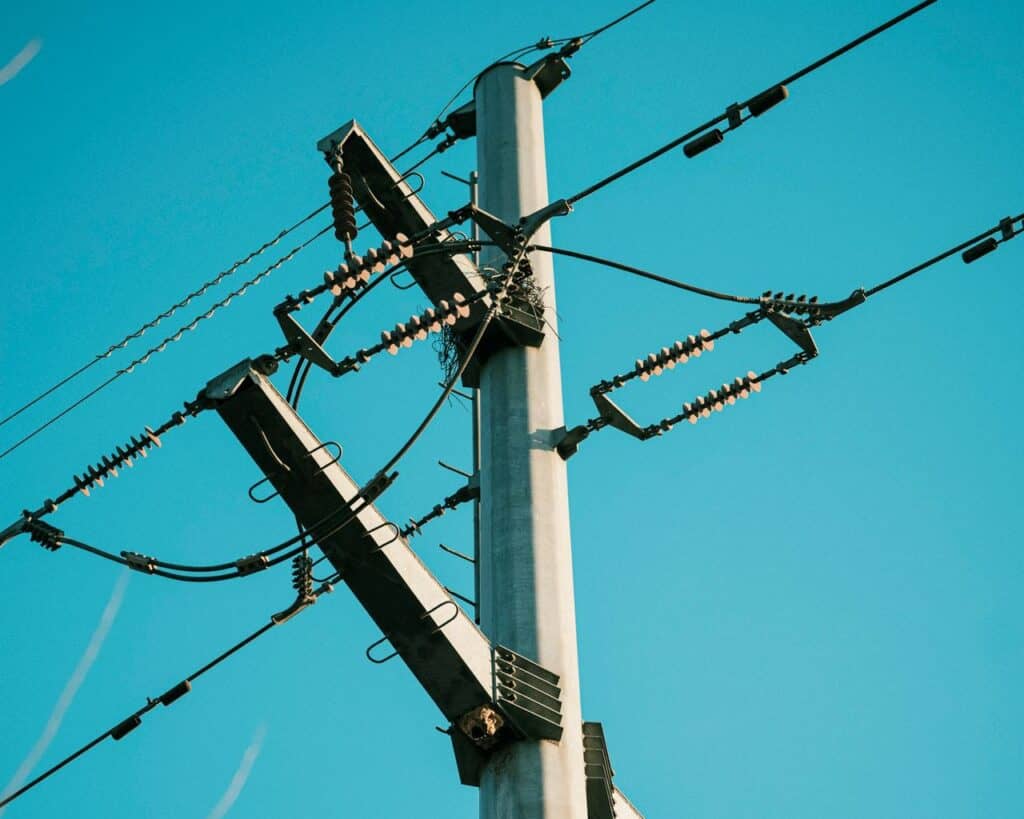
Across the Front Range, growth has a way of outpacing the infrastructure meant to support it. New industrial parks, research campuses, and manufacturing corridors are going up faster than utility providers can extend and upgrade service to match. At Sun Construction, this is a dynamic we navigate regularly for owners in life sciences, advanced manufacturing, government, and high-tech industries — industries where a utility shortfall carries more risk than it does for a typical commercial build, since these facilities depend on service that meets a much higher bar than standard occupancy.
Understanding how utility coordination actually works in these fast-growing areas — and planning for it early — is one of the most overlooked parts of getting a specialized facility built on schedule.
Not All Utility Territory Is the Same
One of the first things that surprises owners building in newer or rapidly developing parts of Colorado is that utility service isn’t a single, predictable relationship. Depending on where a site sits, electric service might come from an investor-owned utility like Xcel Energy or from a rural electric cooperative like United Power — and the line between those service territories doesn’t always follow the boundaries people expect. Water and sewer service adds another layer, often governed by a separate municipal or district provider with its own tap fees, capacity limits, and approval process.
For a life sciences facility that needs consistent power for cleanroom HVAC and process equipment, a manufacturing plant planning for automated or lean production lines, or a high-tech facility running server infrastructure or R&D equipment, that variability isn’t just an administrative detail — it directly shapes what’s feasible on a given site.
This is exactly the kind of site-specific complexity our team at Sun Construction accounts for during pre-construction, drawing on the full range of [our expertise across these industries](Expertise Page).
When Capacity Hasn’t Caught Up to Specialized Demand
In many growing communities, existing utility infrastructure was sized for what was there a decade ago — general commercial and residential loads, not the higher, more specific demands of a cleanroom, a cGMP production suite, a secure government facility, or a high-density data environment. That mismatch can show up as limited electrical capacity for equipment-heavy operations, water systems that need upgrading before they can support process water demands, or sewer lines that require extension before a connection is possible.
These issues aren’t unusual, but for the industries we build in, they carry more weight. A life sciences or high-tech facility can’t simply scale back its power or water needs to fit what’s available — the equipment and processes dictate the requirement. Capacity upgrades, easement approvals, and infrastructure extensions can take months to work through, particularly when a provider is fielding requests from multiple developments in the same growth corridor at once. Projects that don’t account for this early often find utility coordination becoming the critical path item late in the schedule — a risk we’ve written about more broadly in our guide to schedule recovery, and one that’s especially costly for facilities with tight production timelines or regulatory milestones tied to occupancy.
Why Experience With These Specific Providers Matters
This is where regional experience makes a measurable difference. Sun Construction has coordinated utility work across the Front Range for more than 40+ years, much of it in service of the exact facility types that demand the most from utility infrastructure: life sciences and cGMP facilities, advanced manufacturing plants, government and secure facilities, and high-tech environments including data centers and R&D space. Our teams have already been through the application processes, inspection requirements, and points of contact for providers like Xcel Energy, United Power, and the municipal water and sewer authorities across the areas we build in.
That familiarity changes how utility coordination gets handled on a project. Instead of an owner discovering mid-project that their site needs a capacity upgrade or a new easement, the Sun Construction pre-construction team identifies those requirements early — often before a shovel is in the ground — and builds the utility timeline into the overall project schedule from the start. For facilities where systems integration has to happen without disrupting ongoing operations, that early coordination is what keeps utility work from becoming a conflict with an active, occupied environment. It’s one of several capabilities outlined on our Services page.
Planning for Infrastructure That’s Still Being Built
Building a specialized facility in a growing community means accepting that some of the infrastructure your project depends on may still be under development itself. That’s not a reason to expect delays as inevitable — it’s a reason to bring utility coordination into the conversation as early as site selection and pre-construction planning, particularly for life sciences, manufacturing, government, and high-tech projects where utility requirements are more demanding from the start.
For owners in these industries working in newer or fast-growing areas of the Front Range, the right question isn’t whether utility coordination will affect the schedule. It’s whether the team involved has already navigated that specific process, with those specific providers, for facilities with the same demands as yours — and can plan around it accordingly.
If you’re planning a project in a growing area of the Front Range and want to talk through what utility coordination might look like for your site, get in touch with our team to start the conversation.